

ROVIRA REGENERATIVA
Regenera la tierra y transforma vidas
La visión de Vall Rovira es que el terreno sea productivo, se restaure el ciclo hidrológico y regenere el suelo con un ecosistema biodiverso y lleno de vida.
Trabajamos con la naturaleza
- Implementamos un diseño de Agricultura Regenerativa.
- Creamos oportunidades de aprendizaje en el campo.
- Generamos conexiones para impulsar la transición ecológica.
¡Terminamos nuestra camapaña de CROWDFUNDING para alcanzar objetivos importantes!
Lo que estamos construyendo – Nuestra receta para un sistema alimentario resiliente

Ingrediente 1: Una finca que restaura y produce
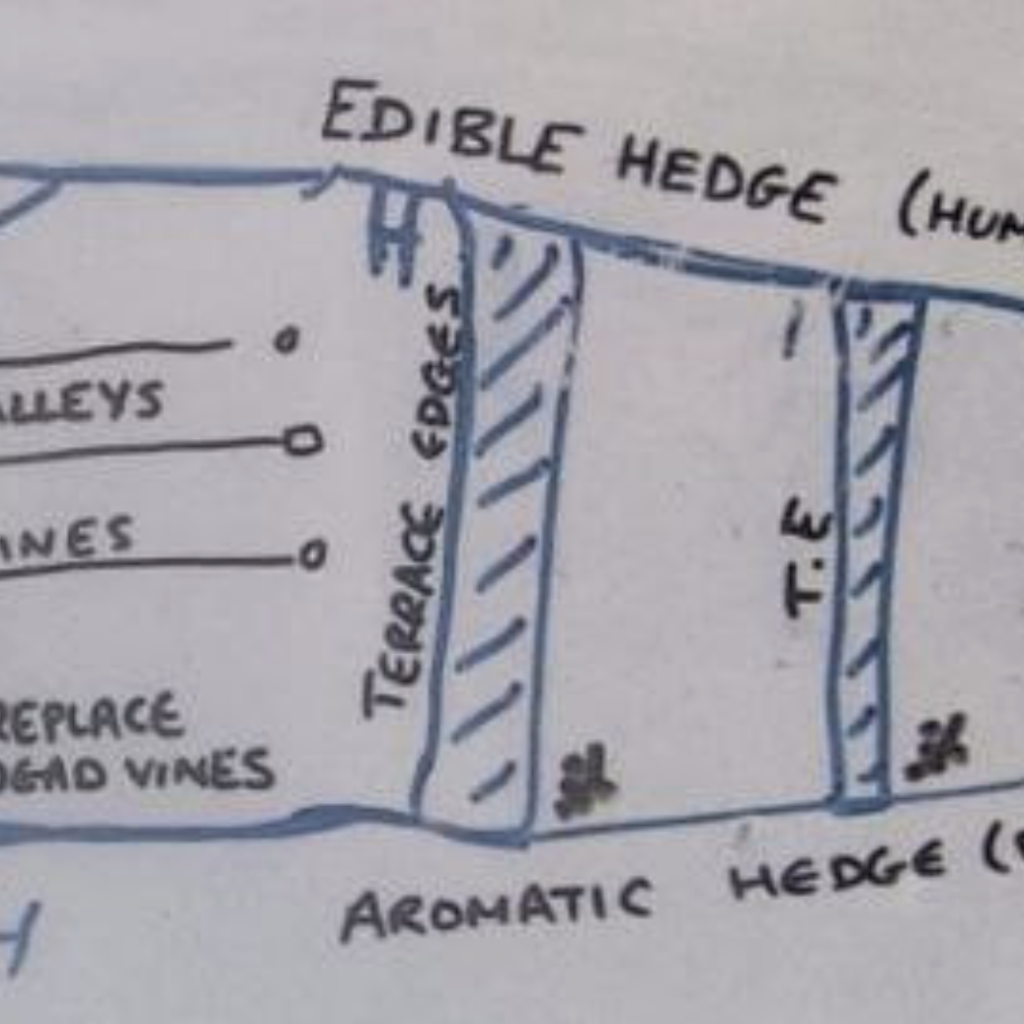
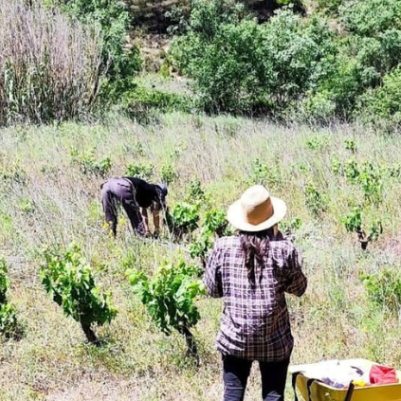
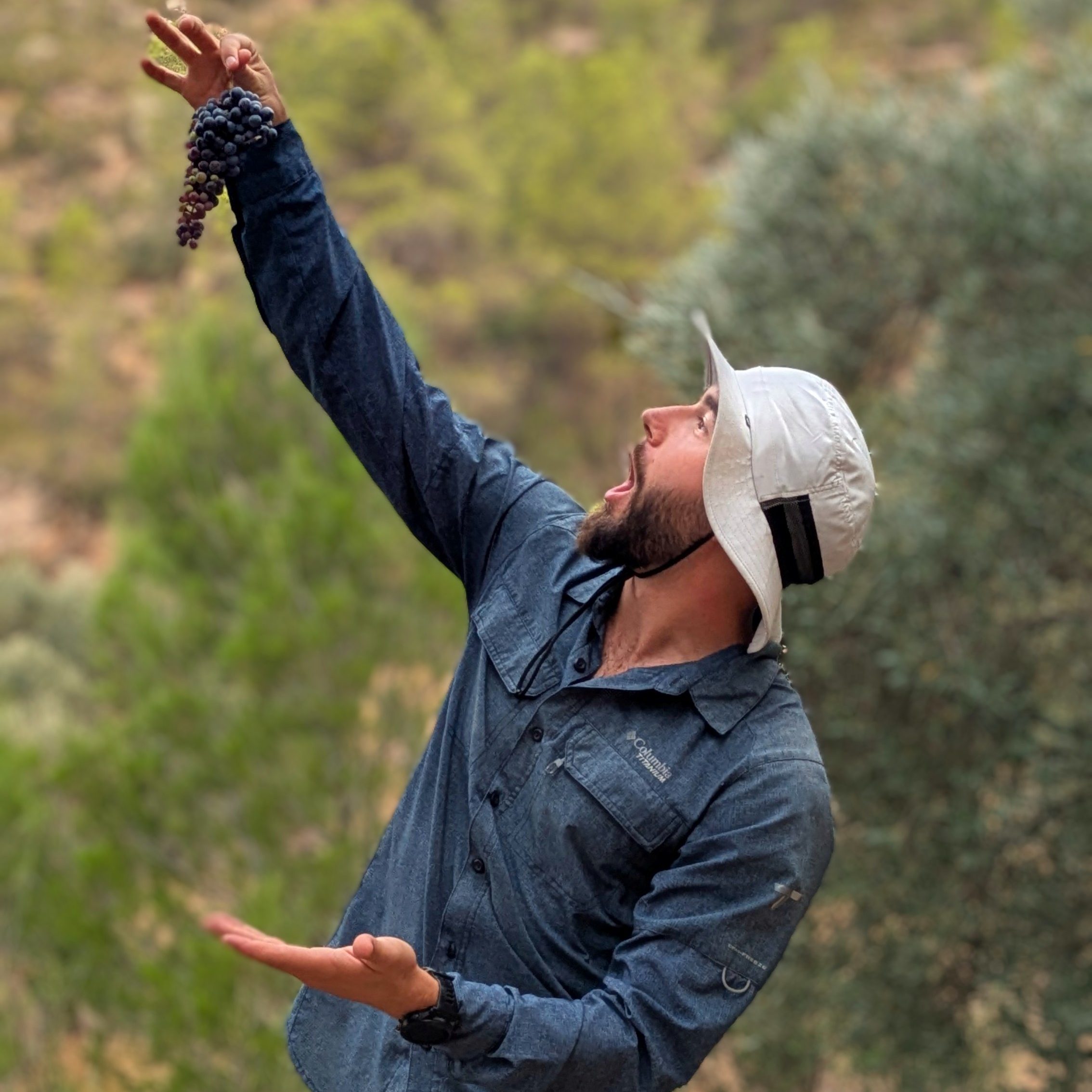
Un diseño agroforestal regenerativo – Cuidamos un viñedo previamente abandonado, combinando árboles y cultivos en nuestras plantaciones y aplicando prácticas que regeneran el suelo, fortaleciendo el ecosistema en el que cultivamos y haciendo el sistema más preparado para el futuro.
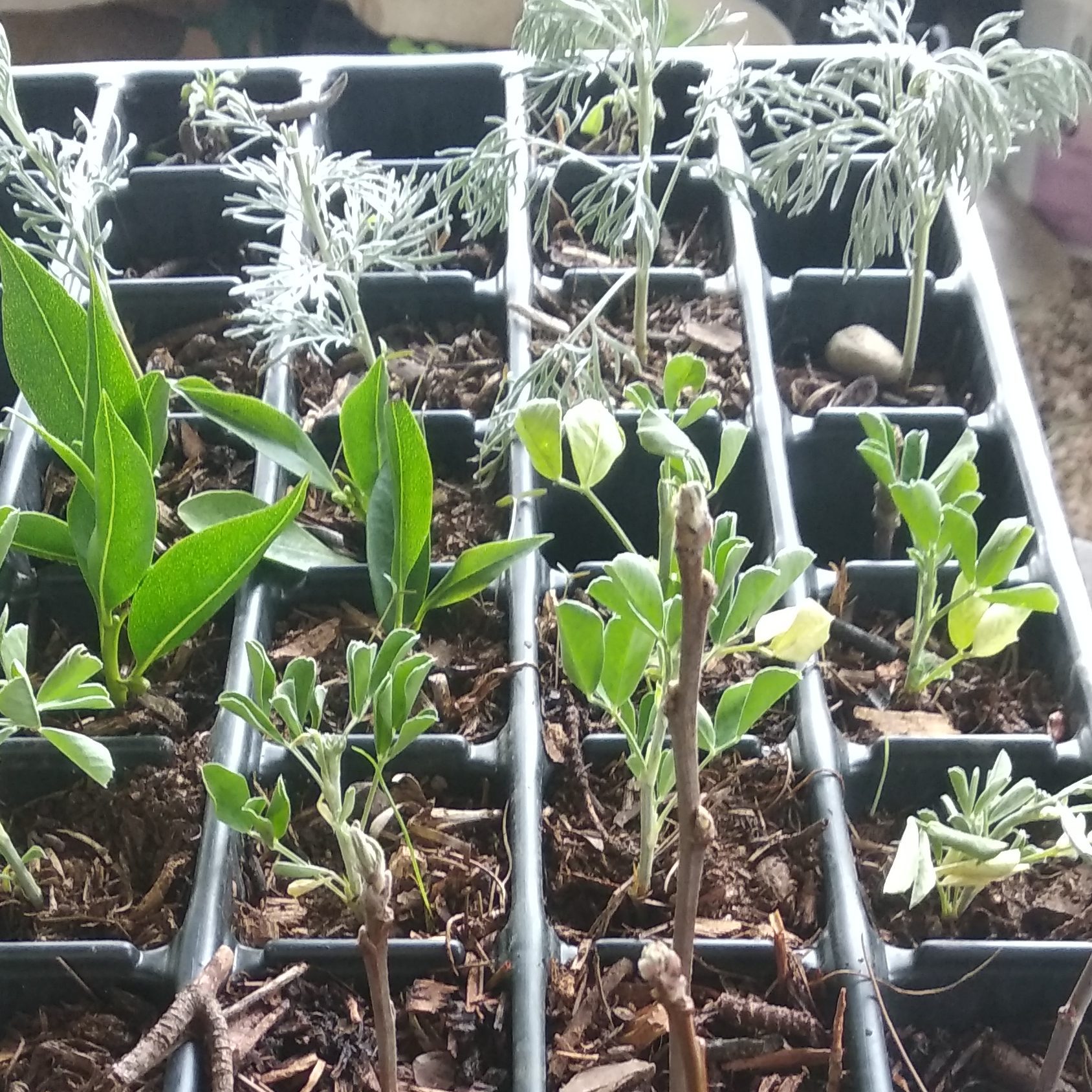
Más vida – Hemos introducido más de 1000 árboles jóvenes — frutales, especies de fruto seco y especies de apoyo. Añadimos nutrientes con estiércol de la cercana Windchaser Ranch, biochar que producimos nosotros mismos y mezclas de semillas diseñadas por amistades ecólogas. Actualmente cultivamos uvas, olivas, bayas y hierbas, y más adelante esperamos que nuestros árboles jóvenes aporten aún más.
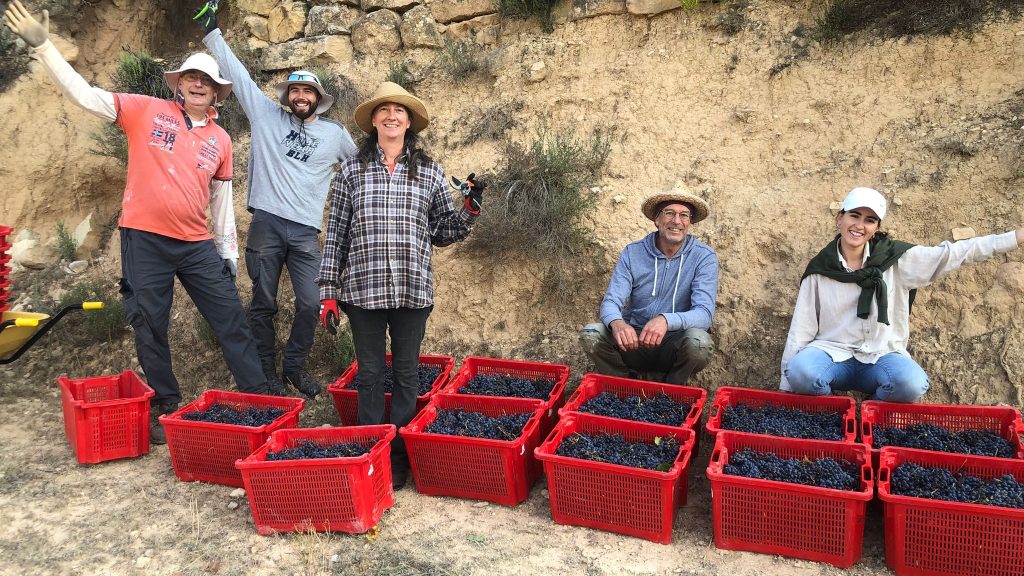
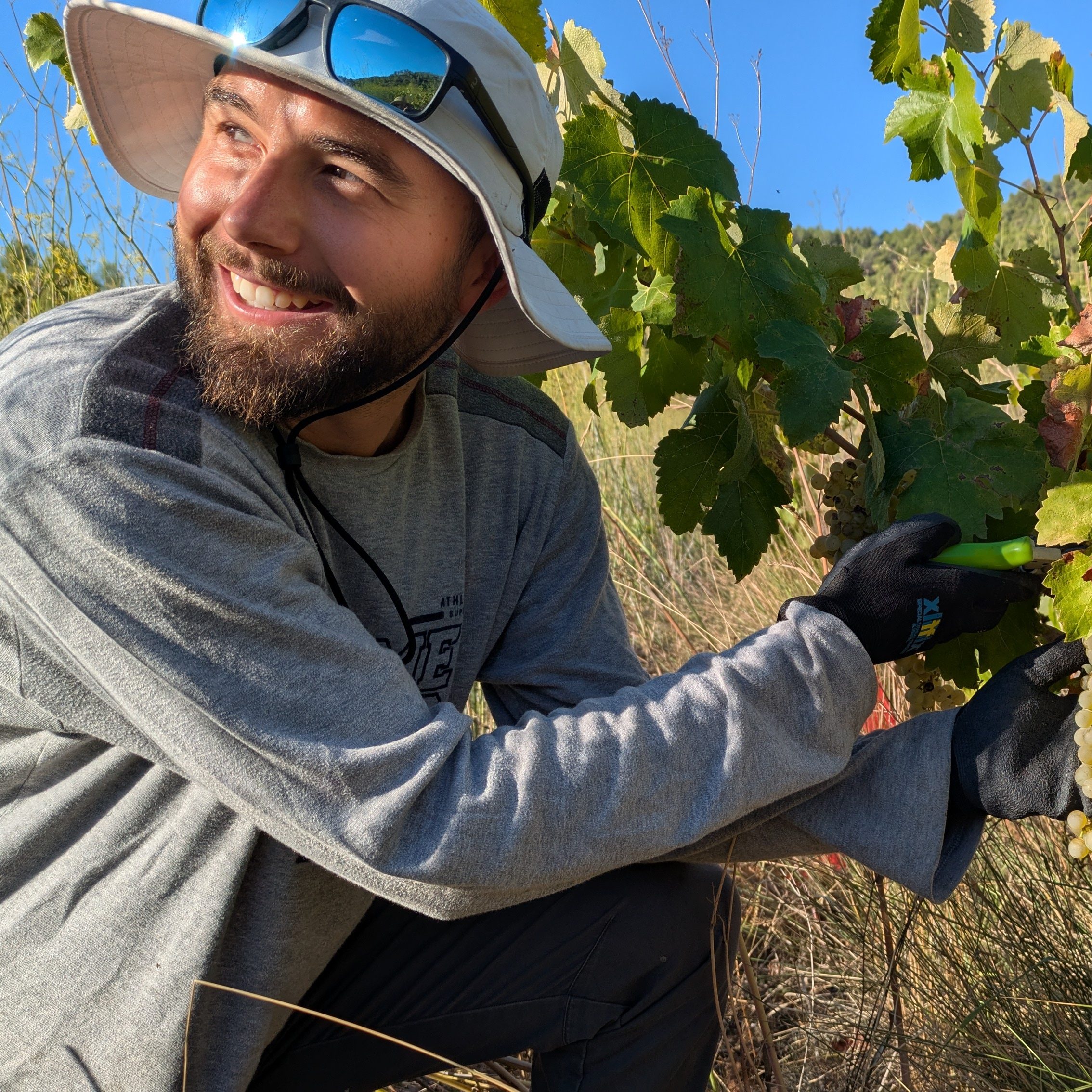
Productiva – Hemos completado dos vendimias, producido cientos de botellas de vino, apoyado a viticultores locales como Artesano Vintners y comprendido las bases de la gestión productiva — estamos listas y listos para evolucionar nuestra relación con el vino.

Ingrediente 2: Las personas adecuadas, inspiradas y capacitadas para trabajar juntas
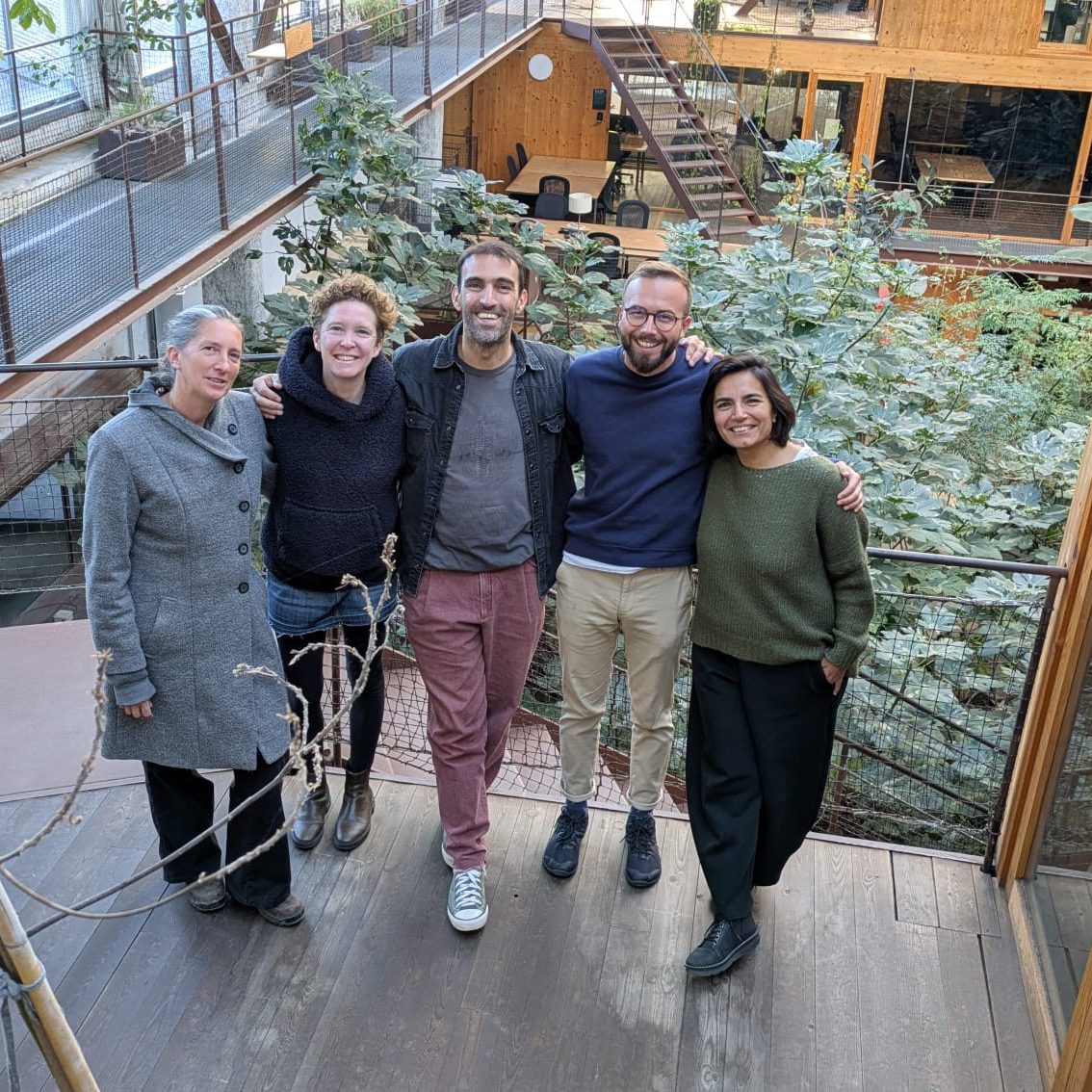
Un equipo núcleo – Desde 2019 nuestro equipo con experiencia sostiene la visión y coordina el trabajo diario.
Colectivo – El proyecto se gestiona colectivamente para el beneficio compartido. Facilitamos formas sencillas para que una amplia red de agricultores, diseñadores, viticultores, educadores y vecinos contribuyan y se beneficien.
Financiado – Actualmente nos financiamos organizando Fines de Semana Regenerativos prácticos y mediante la Asociación Boodaville. Estamos desarrollando ingresos procedentes del vino y el aceite de oliva para que el equipo pueda seguir comprometido con este sistema… y llevando a cabo una campaña de crowdfunding.
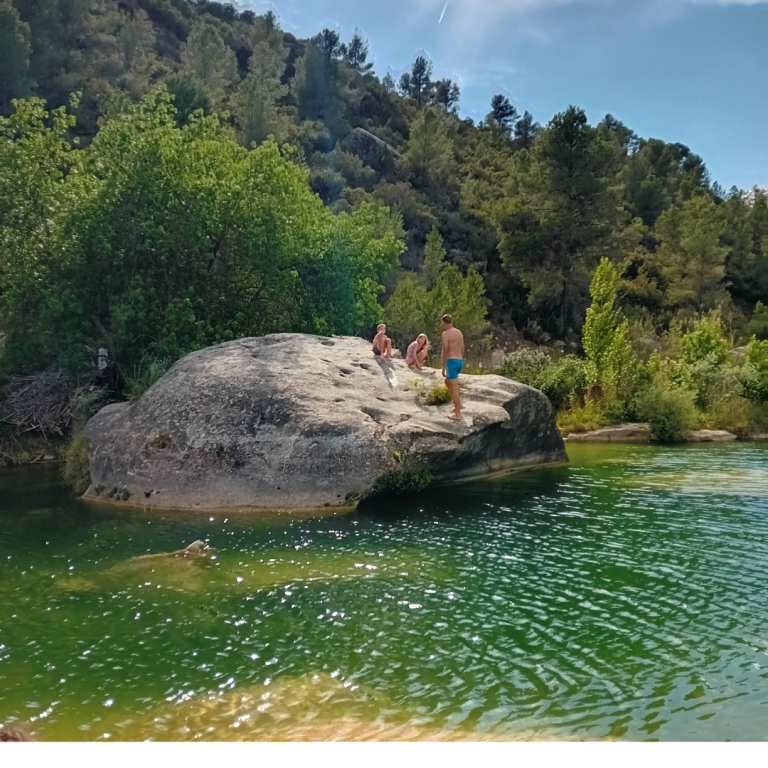
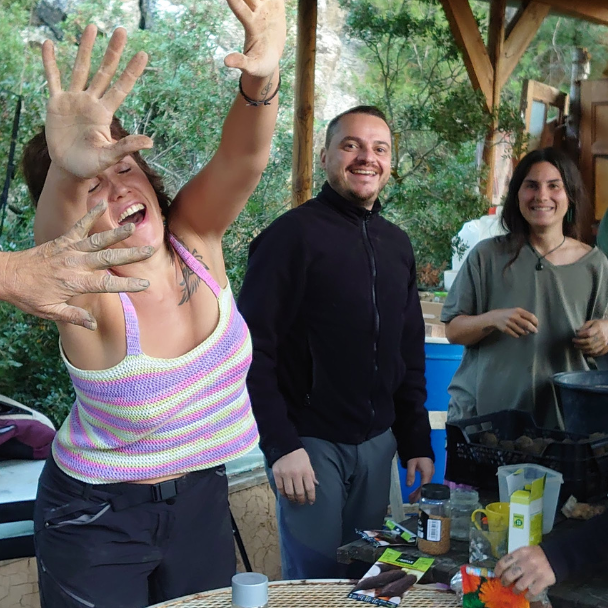
Alegre – Nuestro equipo, red y personas visitantes comparten comidas, largas conversaciones en el campo, baños en el río y noches estrelladas, ayudando a que el sistema perdure porque las personas realmente aman formar parte de él.

Ingrediente 3: Compartir lo que aprendemos, cultivando resiliencia
Queremos ser solo un nodo dentro de una red amplia de sistemas alimentarios resilientes, por eso compartimos nuestro conocimiento.
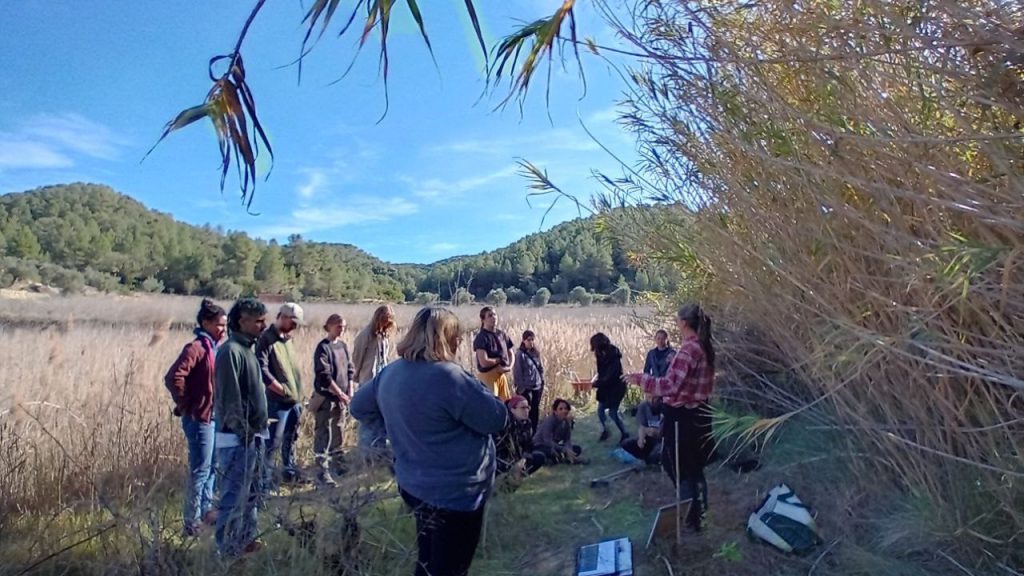
Una finca abierta – Hemos desarrollado un calendario de cinco Fines de Semana Regenerativos al año. Personas de la zona y del extranjero trabajan junto a nosotros y nuestra red, aprenden haciendo y establecen contactos valiosos en nuestras redes catalana, europea y global. (¡Únete a un fin de semana!)
Vivero y huerto comunitario – Tenemos la ambición de establecerlos en el cercano pueblo de Caseres, para ofrecer semillas y árboles adaptados al clima, intercambio práctico de conocimientos, un espacio inspirador para la población local y otra fuente de ingresos alineada con el proyecto. Hemos encontrado el terreno y estamos en conversaciones con la propiedad.
¡Objetivos 2026 y Crowdfunding!
En 2020 diseñamos. Desde entonces hemos aprovechado oportunidades, usando creatividad para lograr mucho con muy poco. En 2026 estamos listos para el siguiente paso.
Hemos llevado a cabo una campaña de crowdfunding, esencial para lanzar plenamente nuestro sistema alimentario resiliente y autosostenible. Ya contamos con el equipo, la red, el diseño y las prácticas adecuadas — ahora necesitamos los fondos.
Los fondos recaudados nos permitirán:
Captar agua y sostener más vida
Contratar a expertos de La Casa Integral para diseñar nuestro sistema hidrológico y mejorar la captación y gestión del agua en el viñedo, desbloqueando su capacidad para sostener más vida y alimentos. Este trabajo ya está programado para mayo.
Añadir más vida y alimentos
Incorporar más especies en el viñedo para expandir el sistema agroforestal según el diseño, aumentando su productividad potencial.
Asegurar acceso a la tierra para que el sistema perdure
Que la asociación (no una persona individual) compre el terreno del viñedo a nuestros vecinos, garantizando acceso colectivo a largo plazo y fortaleciendo la resiliencia del sistema.
Ampliar el aprendizaje y los ingresos con un vivero
Abrir un vivero de plantas, un jardín comunitario de semillas y una pequeña tienda agrícola en el pueblo vecino de Caseres, ampliando nuestra capacidad de compartir inspiración, recursos y conocimiento y reinvertir los fondos en el sistema.
Incrementar los ingresos del vino y otros productos
oliva y otros productos a medida que se añaden nuevas especies al viñedo, haciendo el sistema más robusto.